

Dr. Gail C. Christopher’s Powerful Call to Recognize Black History as the Heart of America’s Story

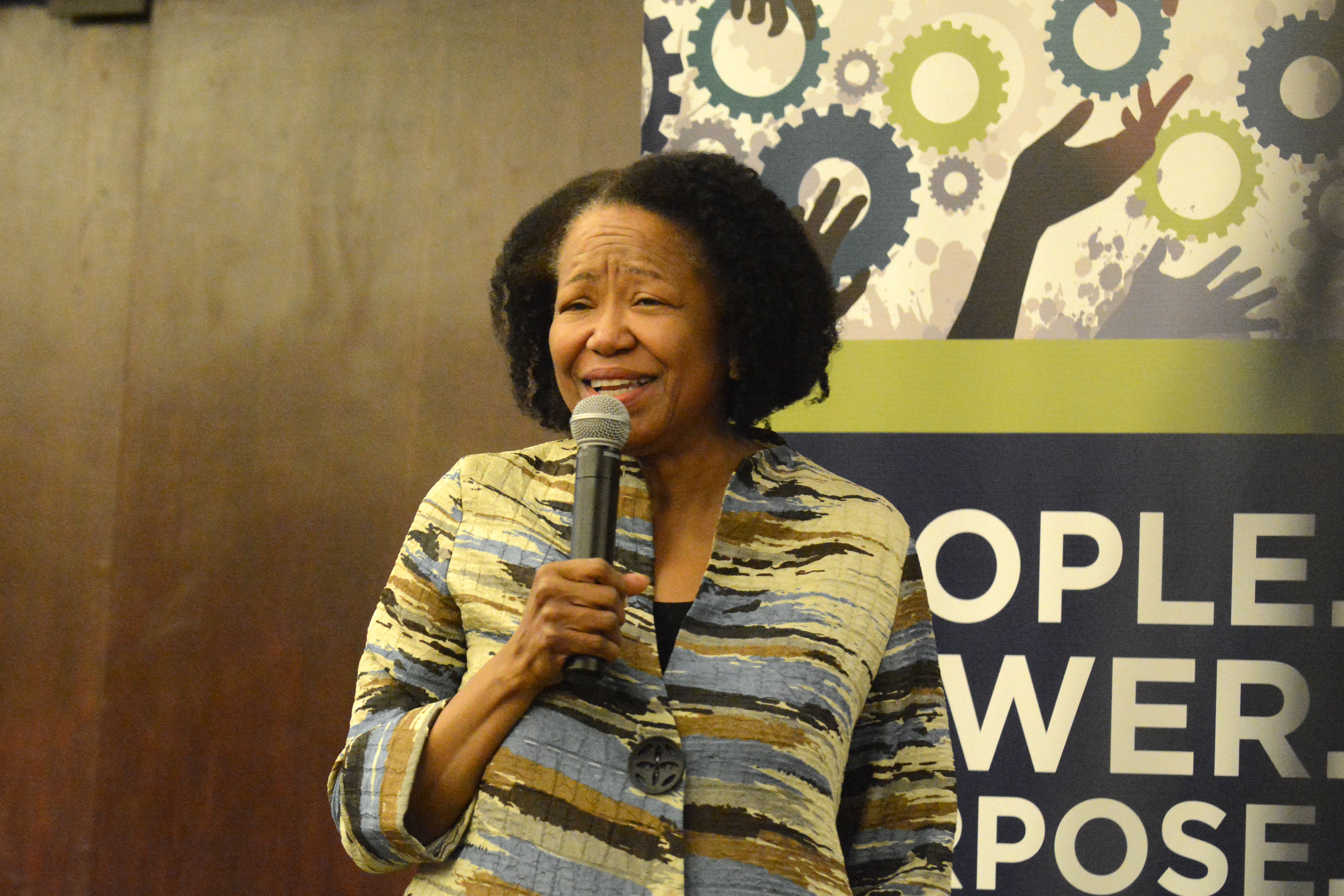
Dr. Gail C. Christopher
In reclaiming the narrative, Dr. Christopher’s article highlights the profound impact of African Americans on culture, science, and innovation
WASHINGTON, DC, UNITED STATES, February 19, 2026 /EINPresswire.com/ -- As the nation commemorates the 100th anniversary of Black History Month, Dr. Gail C. Christopher, a renowned thought leader and advocate for racial equity, has penned a compelling article in Washington Monthly titled "Reclaiming the Narrative: Black History as the Heart of America’s Story." Her thought-provoking article challenges Americans to embrace a fuller, more inclusive understanding of Black history—not as a separate chapter, but as the very foundation of America’s economy, identity, and promise.
Dr. Christopher’s article highlights the profound role of African Americans in the United States, from their pivotal part in the Revolutionary War to the enslaved labor that powered the global cotton economy and shaped modern capitalism. She emphasizes the enduring impact of Black Americans on culture, science, and innovation, while calling attention to the systemic inequalities rooted in a destructive hierarchy of human value that continues to threaten the nation’s democratic ideals.
“Black history is American history,” asserts Dr. Christopher, Executive Director of the National Collaborative for Health Equity (NCHE). “The fight for freedom and equality by Black Americans laid the foundation for America’s democratic ideals, even as those ideals were long denied to them. Without the Black experience, the United States would not have emerged as the world’s predominant economic superpower.”
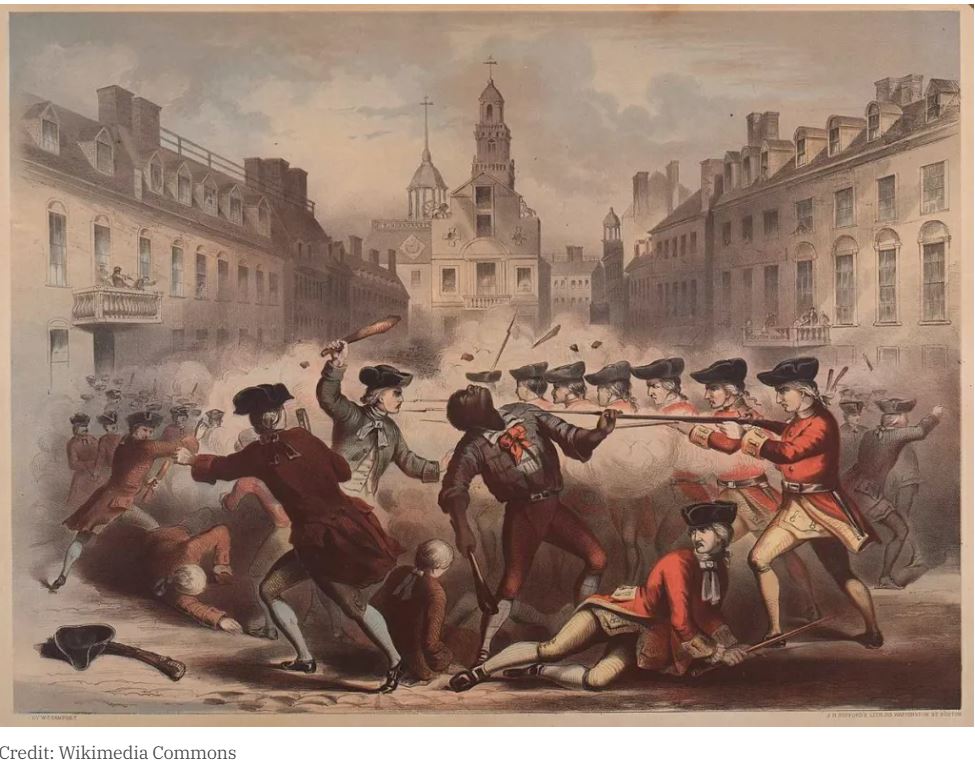
Furthermore, Dr. Christopher cites the Revolutionary War as a “pivotal moment” in history when, for the first time, enslaved and working-class individuals were recognized as more than mere subjects.
“It was a spark that illuminated the potential for human dignity and equality, laying the groundwork for the global movement for justice and fairness,” she writes. “The Black experience of enslavement and the fight for freedom would become a crucible for the evolution of democracy itself. Much of what we understand about human potential and the promise of democracy is embedded in America’s struggle with the liberation of formerly enslaved African
Americans and recognition of our full and equal humanity.”
She explains that the cultivation and processing of cotton were grueling, labor-intensive tasks that relied almost entirely on the forced labor of enslaved Africans. “Cotton was more than just a crop,” she writes. “It was the lifeblood of the global economy. Western civilization, as well as parts of Africa and Asia, depended on cotton for clothing and other products. As Sven Beckert’s Empire of Cotton: A Global History reveals, cotton was the cornerstone of modern capitalism and the Industrial Revolution.
“The wealth generated by cotton production was staggering, and even after the transatlantic slave trade was abolished, states such as Virginia and other states turned to the breeding of enslaved people as a lucrative economic enterprise. As described by W.E.B Dubois in his seminal narrative shifting work, Black Reconstruction in America, first published in 1935, Virginia alone generated over $500 million in a single year from selling enslaved people to the Deep South, where cotton was grown. This wealth didn’t just build the South—it helped to build America.”
Dr. Christopher adds that the dominant narrative of America’s birth shifts dramatically when the authentic story of the cotton economy is considered. “Two and a half centuries of brutal, forced labor by Africans fueled both the American and global industrialized economy,” she writes. “This wealth, extracted through unimaginable suffering, shaped the modern world. Yet, it was justified by a false hierarchy of human value—a destructive ideology that dehumanized Africans, Indigenous peoples, and other marginalized groups. This ideology sustained slavery, the devastating Jim Crow Era, and continues to perpetuate systemic inequalities today.”
Declaring that recognizing this history is essential to understanding the interconnected nature of our destinies, Dr. Christopher maintains that the same hierarchy of human value that justified slavery has denied the full humanity of Indigenous people, Hispanics, Jews, Asians, Haitians, Puerto Ricans, Somalis, and countless others.
“It shapes our current immigration policy divide and threatens to destabilize our fragile economy and, subsequently, our experiment in a multi-racial democracy,” she writes. “When we take this holistic view, we better understand that this is a capitalist society. Its success was rooted in cotton production and the systems it established. With that knowledge, we can begin to see the potential for understanding the interrelated nature of all our destinies. The antiquated, destructive ideology, the hierarchy of human value, fueled centuries of enslavement and the exploitation of labor in other ways.
The article also celebrates the achievements of unsung heroes like Gloria West, a Black mathematician whose groundbreaking work on GPS algorithms revolutionized modern technology, while urging Americans to move beyond token gestures and embrace a holistic understanding of Black history. Dr. Christopher emphasizes that this understanding is a matter of historical accuracy and a vital step toward realizing the democratic ideals of equality and unity.
She reasons that the true story of America cannot be told without the authentic story of Black Americans. From the Revolutionary War to the cotton fields to the Civil War and our political systems, from scientific breakthroughs to cultural milestones, she writes, “Black history is deeply intertwined with the nation’s identity and progress.
“As we celebrate Black History Month, we must move beyond token gestures and embrace a fuller, more inclusive narrative. Understanding the central role and experiences of Black Americans is more than a matter of historical accuracy—it is vital for inspiring hope and realizing the democratic ideals upon which this nation was founded: all are created equal. The collective and individual capacity to value our shared humanity is key to building a future that honors all sacrifices and achievements.”
Read the full article: www.washingtonmonthly.com/2026/02/16/black-history-at-the-heart-of-the-american-story
About Dr. Gail C. Christopher
Dr. Gail C. Christopher is the Executive Director of the National Collaborative for Health Equity and a former Senior Advisor and Vice President of the W.K. Kellogg Foundation. She is a leading voice in racial healing and equity, with decades of experience in catalyzing partnerships and developing leaders to create a more equitable and just society. Her latest book, Rx Racial Healing, is a narrative of her understanding of the power of racism and the need for healing.
(For print or broadcast interviews with Dr. Christopher, please contact Michael Frisby at mike@frisbyassociates.com or 202-625-4328.)
About NCHE
Founded in 2014, NCHE was established to promote health equity through action, leadership, inclusion, and collaboration. We work to create environments that foster the best possible health outcomes for all populations, regardless of race, ethnicity, socioeconomic status, or nativity. NCHE also works to improve conditions for health and well-being, including housing, education, income and wealth, and the physical and social environment. Further, we must address historical and contemporary structural, institutional, and interpersonal racism, which fuels inequities in our society.
Michael K. Frisby
Frisby & Associates
+1 202-625-4328
email us here
Legal Disclaimer:
EIN Presswire provides this news content "as is" without warranty of any kind. We do not accept any responsibility or liability for the accuracy, content, images, videos, licenses, completeness, legality, or reliability of the information contained in this article. If you have any complaints or copyright issues related to this article, kindly contact the author above.
